 albertacountryvacation
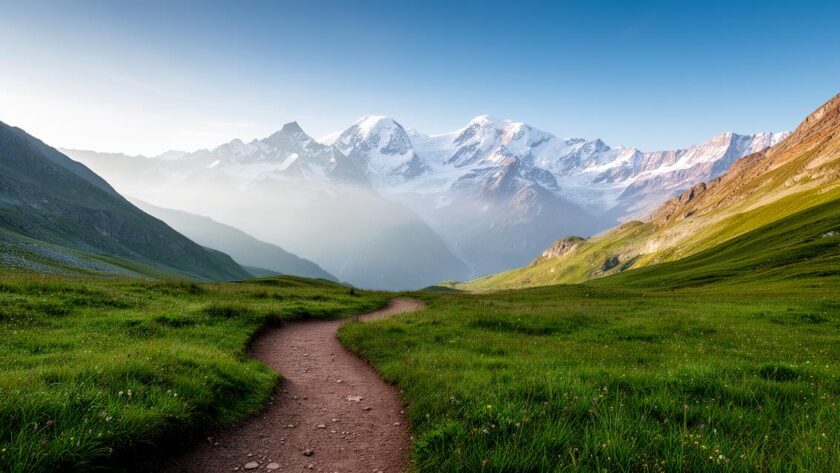
 There's something wonderfully appealing about a long-distance hike that rewards every gruelling ascent with a plate of melted cheese or a bowl of hearty stew. The Tour du Mont Blanc, often shortened to TMB, is exactly that sort of adventure. Stretching across France, Italy and Switzerland, this iconic circuit covers roughly 166 kilometres and asks walkers to climb a total of 10,000 metres over the course of about ten days. But beyond the mountain passes and jaw-dropping views, the TMB is also a proper culinary pilgrimage, and deciding which direction to walk it in can shape the entire flavour of your trip, quite literally.
In short
- The Tour du Mont Blanc (TMB) is a 166-kilometre trek across France, Italy, and Switzerland that offers hikers a unique culinary journey alongside challenging alpine terrain.
- Starting clockwise from Les Houches immerses hikers in French Savoyard cuisine, featuring hearty dishes like tartiflette and local cheeses such as Beaufort and Reblochon.
- Beginning the trail anti-clockwise in Courmayeur introduces trekkers to Italian Valdôtaine gastronomy, renowned for comfort foods like polenta, stews, and Fontina cheese.
- The Swiss section of the TMB provides a peaceful interlude highlighted by traditional mountain restaurants that specialize in authentic melted raclette.
- Strategic stops at renowned mountain huts like Refuge Elisabetta are essential for both physical recovery and experiencing the best regional culinary offerings.
- Regardless of the direction chosen, the TMB requires advanced planning and early booking, as food and accommodation demand peaks during the summer months.
Whether you fancy a self-guided ramble or prefer joining guided tours with a support team, the TMB delivers a rich mix of regional cuisine that changes as you cross each border. Some trekkers even combine the route with trail running, turning refuelling stops into the highlight of each stage. Wherever you find yourself on the trail, expect to be well fed, and don't be surprised if the food becomes just as memorable as the scenery.
Clockwise route: from les houches through france's culinary treasures
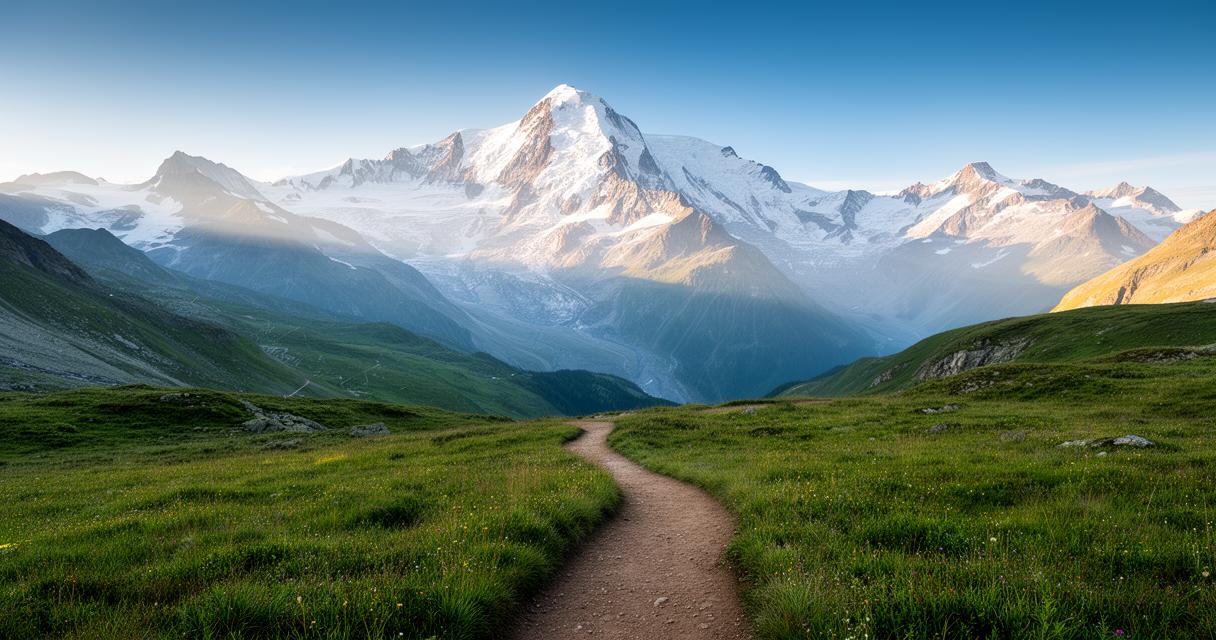
Starting the TMB clockwise from Les Houches means you'll spend your early days deep in French territory, with the jagged Needle peaks looming overhead. This direction is popular among hikers who want to ease into the elevation gain gradually, though the trail certainly doesn't go easy on anyone for long. As you wind through forested valleys and climb towards your first mountain passes, you'll quickly discover that French refuges take their food seriously.
Traditional savoyard fare at french mountain refuges
Savoyard cuisine is built for mountain life, rich, warming and designed to fuel long days of walking. Expect generous portions of tartiflette, that glorious bake of potatoes, reblochon and lardons, alongside steaming bowls of soup that seem to appear at every refuge no matter the hour. Some trekkers rank a group dinner at Le Monchu in Chamonix among the best meals of the entire trip, praising the variety on offer and the lively atmosphere that comes from swapping stories with fellow walkers after a demanding stage.
Must-Try Alpine Cheeses and Local Specialities in the Chamonix Valley
The Chamonix valley is something of a cheese lover's paradise. Beaufort, tomme and reblochon all make regular appearances on refuge menus, often served simply with bread and charcuterie for a rustic lunch that tastes far better than it sounds on paper. Cafes and buvettes dotted along the trail offer welcome pit stops too, serving everything from crepes to strong coffee, giving hikers the perfect excuse to pause and take in the view of the massif before pressing on.
Anti-Clockwise Journey: Starting at Courmayeur with Italian Alpine Gastronomy
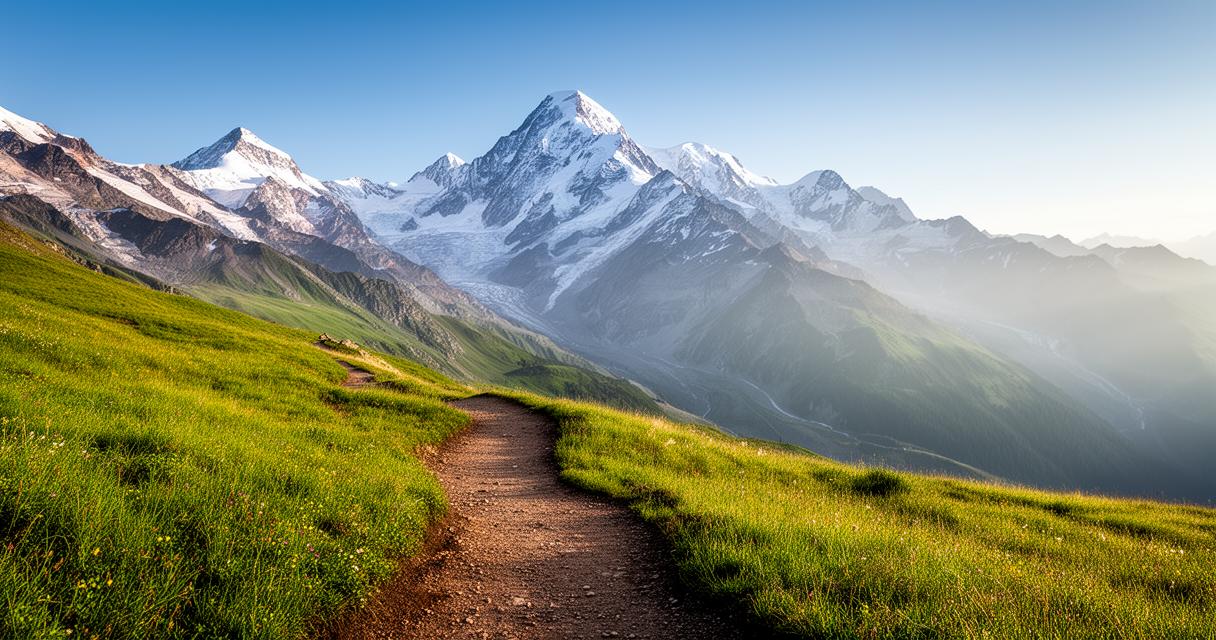
Choosing to walk anti-clockwise means beginning in Courmayeur, Italy, and for many this direction offers a different, arguably gentler, introduction to the trail's demands. It also means Italian alpine gastronomy is the first cuisine you'll encounter, setting quite the standard for the rest of the journey. Several trekkers describe a rest day in Courmayeur as one of the most memorable moments of their trip, largely thanks to relaxed evenings spent socialising over drinks after days of steady climbing.
Authentic valdôtaine cuisine and regional delicacies
The Aosta Valley, or Valdôtaine region, brings its own distinct character to the table. Think hearty polenta dishes, rich mountain stews and fontina cheese melted over everything from pasta to bread. It's comfort food in the truest sense, and after a long day crossing mountain passes, few things feel more satisfying than a warm plate of local specialities paired with a glass of regional wine.
Italian Mountain Huts and Their Signature Dishes Along the Trail
Italian refuges along the TMB have their own personality, often warmer and more convivial than their neighbours across the border. Refuge Elisabetta, tucked beneath dramatic peaks, is regularly cited as a premier stop for trekkers, both for its setting and its food. Group bonding tends to happen naturally here, as tired walkers gather around shared tables, comparing notes on the day's climb while tucking into something warm and filling.
Swiss Interlude: Discovering Swiss Alpine Cuisine Between the Ferret Valley and Col de Balme
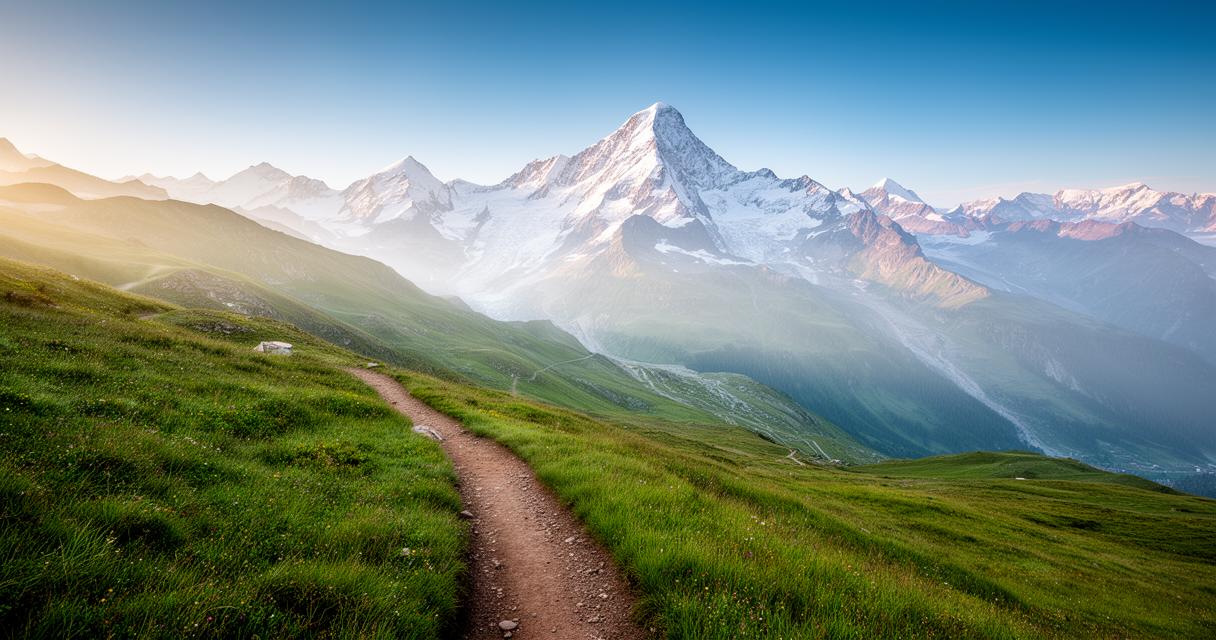
No matter which direction you choose, the Swiss section of the TMB offers a welcome change of pace, both scenically and gastronomically. The tranquil Ferret valley is a particular highlight, offering some of the most peaceful walking on the entire route, a nice contrast before tackling the climb towards Col de Balme.
Traditional swiss mountain restaurants and their renowned raclette
Swiss mountain restaurants take raclette extremely seriously, and rightly so. There's nothing quite like watching cheese melted tableside before it's scraped onto boiled potatoes and pickles, especially after a demanding stretch of trail. The Bovine hut stands out as a particularly challenging climb, one that several trail runners have highlighted as testing even for experienced legs, making the eventual reward of a hot meal feel thoroughly earned.
Refuge Elisabetta and Other Premier Dining Stops for Trekkers
While Refuge Elisabetta technically sits on the Italian side, it's often mentioned alongside the best Swiss stops for its exceptional hospitality and reliably good food. Elsewhere, the Base Camp Hotel in Bourg St Maurice has earned its own reputation among hikers, frequently named a favourite overnight stay thanks to its cleanliness and genuinely friendly atmosphere, offering a proper reset before the final stages ahead.
Ultimately, whether you tackle the TMB clockwise or anti-clockwise, the trail delivers an unforgettable mix of dramatic alpine scenery and genuinely excellent food. Booking accommodation early is wise, particularly for July and August when demand peaks, and costs can vary considerably depending on whether you're camping, staying in dormitories or opting for private rooms. For those seeking extra reassurance and local knowledge, guides can prove invaluable, pointing out hidden gems and lesser-known eateries that don't always make it into guidebooks. However you choose to walk it, one thing remains certain: you won't go hungry on the Tour du Mont Blanc.