
 albertacountryvacation
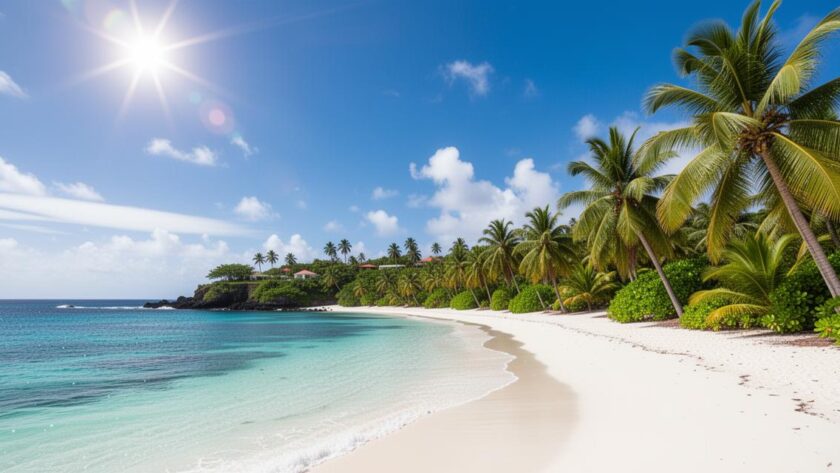
Saint François, tucked along the south-eastern tip of Grande-Terre, is the sort of place that rewards the curious traveller who resists the pull of the sunlounger. Yes, the Caribbean beach holidays on offer here are genuinely spectacular, but beneath the turquoise surface lies a town alive with history, culture, and community spirit that most visitors only glimpse in passing. This guide is an invitation to slow down, look closer, and let the full personality of this Guadeloupe tourism gem reveal itself.
The essentials
- Saint François offers a rich cultural experience beyond its beaches, characterized by colonial history, local markets, and a strong sense of community.
- The local market serves as a vital community hub where visitors can discover authentic Caribbean produce and interact with local vendors.
- Maritime heritage remains central to the town’s identity, visible in the working harbour where fishing traditions connect the region to the wider archipelago.
- Culinary traditions, particularly Creole dishes like colombo and boudin, offer a deep reflection of the island’s complex history and are best experienced through local tables d’hôtes.
- Gwoka music plays a fundamental role in the town’s cultural and political life, acting as a profound expression of Caribbean history and collective memory.
- The surrounding landscape features dramatic natural landmarks, such as the volcanic cliffs of Pointe des Châteaux and various accessible islets like Marie-Galante.
- Saint François serves as an ideal base for travellers to explore Guadeloupe’s broader biodiversity, including botanical gardens and the volcanic terrain of Basse-Terre.
Exploring the Historic Heart and Markets of Saint François
Few experiences ground a traveller in a place quite as swiftly as a morning spent wandering a local market, and in Saint François, that ritual feels particularly vivid. The town itself carries the unhurried rhythm of the French Caribbean islands, where colonial architecture, painted shutters, and the distant sound of the sea create a backdrop that feels both familiar and entirely its own.
Sampling Local Produce at the Vibrant Town Market
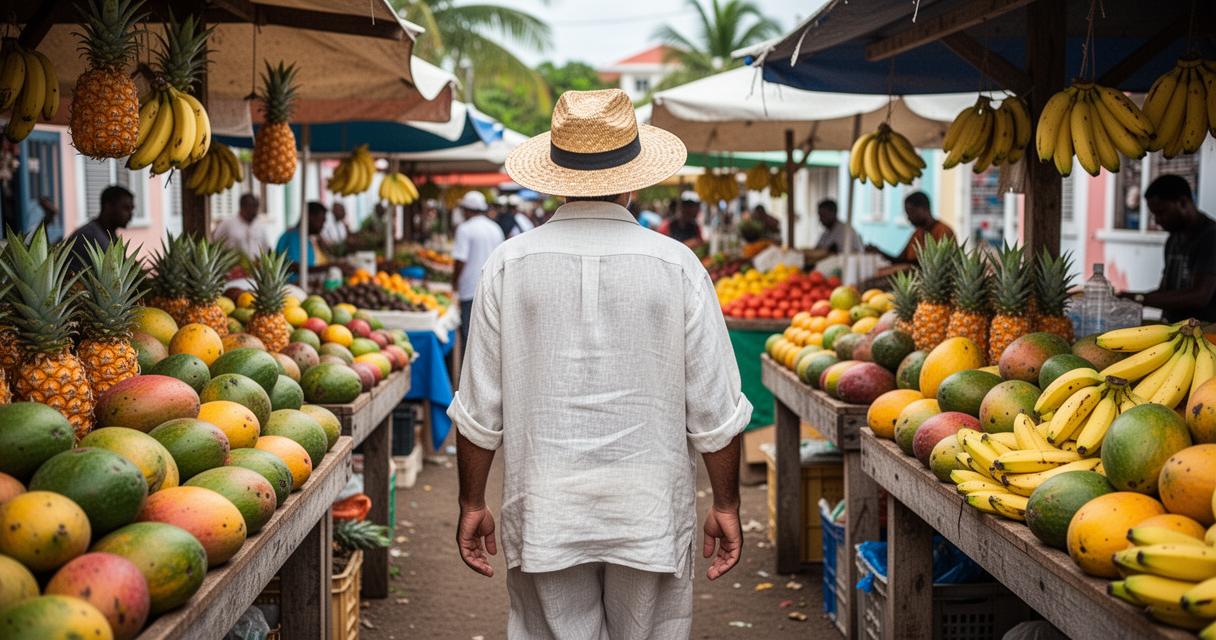
The market at Saint François is a sensory education. Stalls overflow with christophines, plantains, and fiery piments, alongside bunches of fresh herbs whose names the vendors will happily explain if you ask. The grapes grown in the surrounding countryside (a surprising detail for a tropical island) occasionally make an appearance alongside more expected Caribbean produce. Engaging with the vendors in even a few words of Creole or French goes a long way; this is not a tourist market but a functioning community hub, and visitors who treat it as such invariably leave with far more than a bag of provisions. The island culture here is worn openly, in the laughter between neighbours and the easy generosity of traders who will press a slice of fresh fruit into your hand without a second thought.
Discovering Maritime Heritage at the Old Harbour
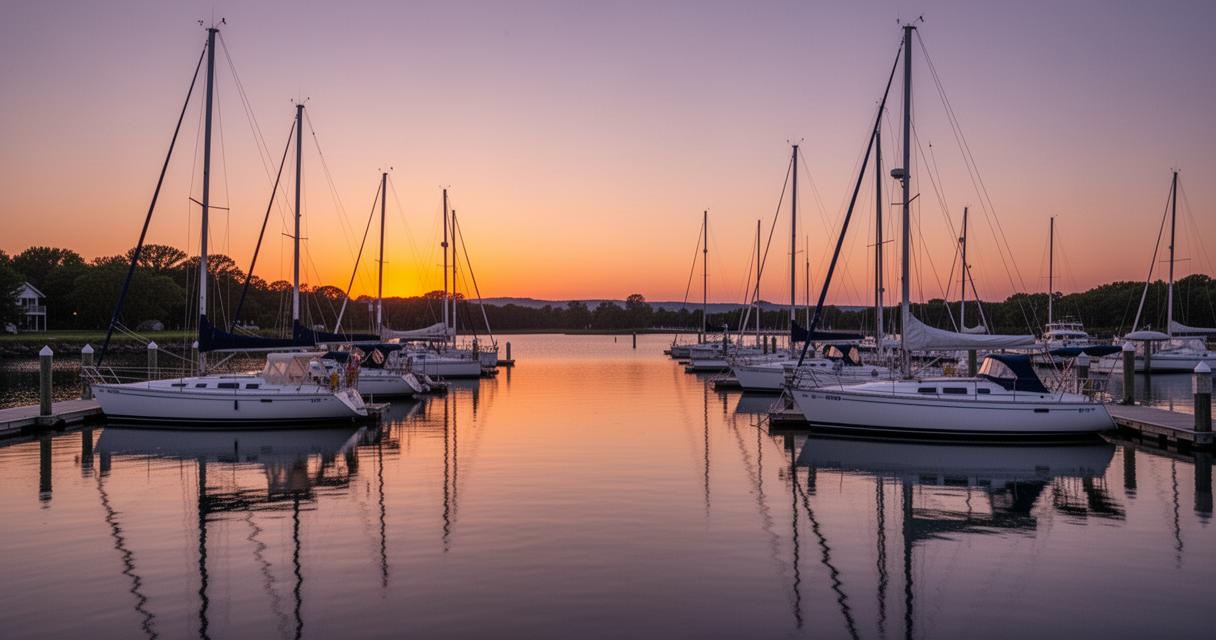
The old harbour of Saint François tells another story altogether. Fishing boats painted in vivid blues and reds bob alongside pleasure craft bound for the nearby islets, and the quayside has a working energy that speaks to centuries of maritime life. The sailor‘s tradition runs deep here, connecting the town to the wider network of the Guadeloupe islands and the broader tropical archipelago beyond. Standing at the water’s edge at dawn, watching the first boats head out, it is easy to understand why the sea remains so central to local identity.
Immersing Yourself in Local Traditions and Island Culture
Saint François is a town that lives its culture rather than merely displaying it. The postcolonial identity of Guadeloupe (shaped by African, European, and Caribbean influences across centuries) finds expression here in food, music, and the rhythms of daily life that visitors are genuinely welcome to join.
Experiencing creole cuisine and culinary secrets
Creole cuisine in Guadeloupe is a discipline in its own right, and Saint François offers some particularly rewarding opportunities to explore it. Caribbean travel writers have long celebrated the island’s kitchens, and rightly so: a well-made colombo, a fragrant boudin Créole, or a slow-cooked court-bouillon de poisson carries the entire history of the island in its layered spicing. The local restaurants clustered around the town centre tend to serve food that reflects genuine domestic tradition rather than a diluted version aimed at international palates. Seeking out a table d’hôte (a home-cooked meal offered by local residents) is one of the most rewarding ways to experience this cuisine as it is actually lived.
Celebrating traditional music and community festivals
Music is the other great thread running through life in Saint François. Guadeloupe’s local music traditions encompass a remarkable range: gwoka, the percussive form with deep roots in the island’s African heritage, serves not merely as entertainment but as a vehicle for expressing Caribbean history and collective memory. Academic research has described how gwoka music plays a specific role in articulating Guadeloupean postcolonial cultural and political identities, a reminder that what you hear at a festival or a Sunday gathering carries real weight. Alongside gwoka, the broader French Caribbean musical world embraces zouk, biguine, and jazz, each reflecting different facets of the island’s layered experience. When festivals take place in the town square, they draw together generations in a way that is genuinely moving to witness.
Venture Beyond the Town to Unmissable Natural Landmarks
Saint François also serves as an excellent base for exploring the dramatic island landscapes that surround it. Within easy reach lie some of the most striking natural heritage sites in the entire Caribbean.
Hiking the Dramatic Cliffs of Pointe des Châteaux
The road east from Saint François leads to Pointe des Châteaux, where the island narrows to a rocky promontory lashed by Atlantic waves. The hike out to the point passes through scrubland alive with lizards and seabirds before arriving at a cross overlooking the open ocean, a view that encompasses, on a clear day, the outlines of La Désirade and the islets scattered across the horizon. The black volcanic rock formations here contrast dramatically with the white sand beaches visible below, offering a vivid reminder that Caribbean volcanic islands carry their geological drama all the way to the waterline.
Day Trips to Surrounding Islets and Botanical Gardens
From the harbour at Saint François, island hopping opens up a wider world. The islands of Les Saintes and Marie-Galante are both accessible and rewarding for a day trip. Les Saintes, a cluster of dry volcanic islands with a distinctive fishing and boatbuilding culture, includes Terre-de-Haut, roughly four miles long and one mile wide, where Fort Napoleon (built in the mid-nineteenth century) now houses a museum and gardens. Marie-Galante, by contrast, is a flatter coral island whose sugar plantation history remains visible in its windmills and estates, alongside art deco public buildings in its towns of Grand Bourg and Capesterre. Closer to Saint François, the botanical garden and national park offer shaded trails through dense tropical vegetation, where species from across the Caribbean and beyond grow in remarkable proximity. A road trip westward opens up the north of Grande-Terre and eventually the lush landscapes of Basse-Terre, where the Soufrière volcano, the Carbet falls, and the forests of the national park await those with a few weeks to spare. Sightseeing in Guadeloupe rewards the unhurried traveller who is willing to combine beach days with genuine island exploration, and Saint François is, without question, one of the finest places from which to begin that journey.