 albertacountryvacation
 Lisbon's iconic yellow trams have been winding through the city's steep hills and narrow lanes for over a century, offering both residents and visitors an enchanting glimpse into the Portuguese capital's soul. Among these charming routes, the journey through Graça and Alfama stands out as an unforgettable way to experience the authentic character of Lisbon's oldest quarters, where terracotta rooftops cascade down hillsides and the scent of grilled sardines drifts through cobbled alleyways.
Navigating lisbon's historic tram routes: your essential journey begins
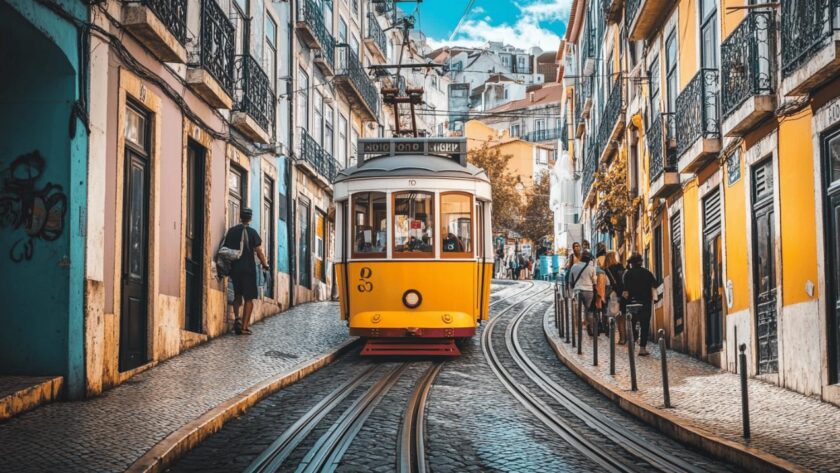
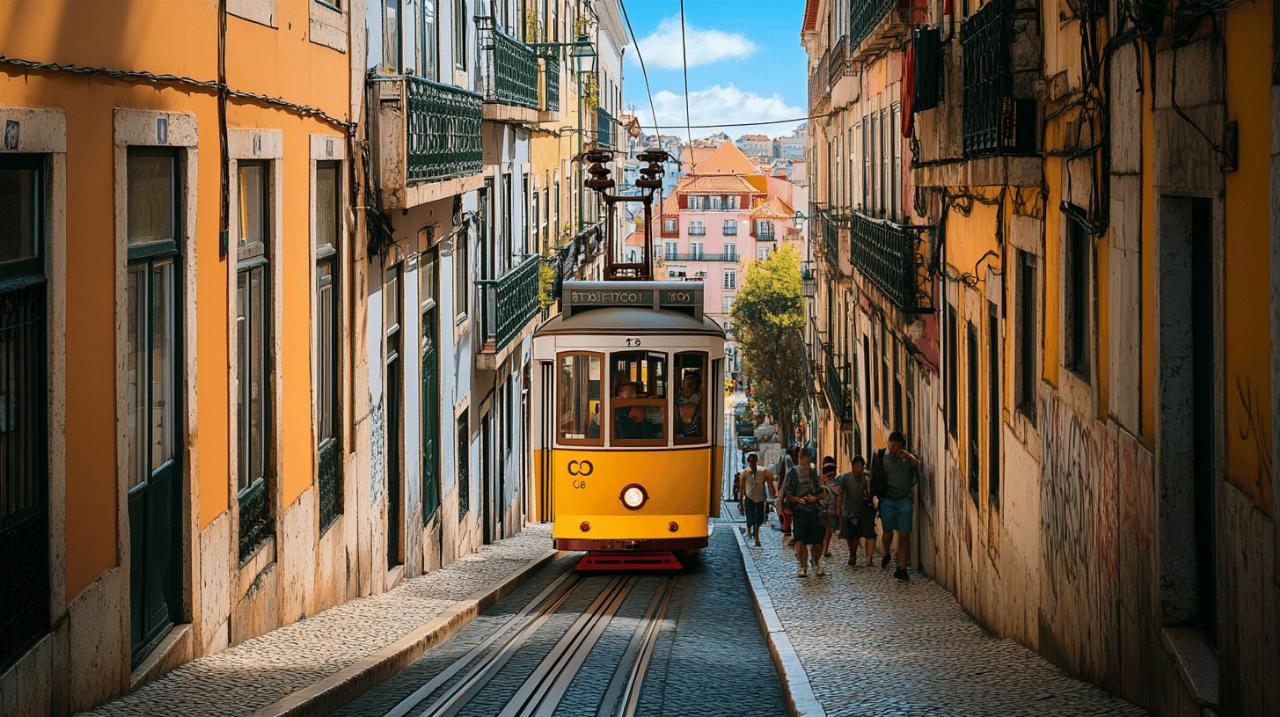
The magic of exploring Lisbon by tram lies in its ability to transport you not just through space, but through time itself. These vintage vehicles, some dating back to the 1930s, have become more than mere public transport; they are moving monuments that connect the past with the present. The system currently operates several routes, though only four still utilise the historic Remodelado trams, specifically designed to navigate the city's characteristically narrow streets that modern vehicles simply cannot access. These beloved yellow carriages have been carefully maintained and upgraded during the 1990s with improved braking systems and electrics, ensuring they remain safe whilst preserving their nostalgic charm.
Understanding tram 28: the crown jewel of lisbon's public transport
The legendary Tram 28, known locally as Eléctrico E28, represents the quintessential Lisbon experience. This remarkable route first began operation in 1914 and has since become the city's most celebrated tourist attraction. The complete journey spans approximately seven kilometres between Martim Moniz and Prazeres, though passengers should note that after half past nine in the evening, services terminate at Estrela instead. Each vintage carriage accommodates twenty seated passengers alongside thirty-eight standing travellers, creating an intimate atmosphere that encourages interaction between locals and visitors alike. The trams maintain a regular schedule with departures every nine to twelve minutes throughout the day, commencing before six o'clock in the morning on weekdays and continuing past midnight, whilst weekend services conclude around eleven in the evening.
The entire journey typically requires between forty-five minutes to an hour, depending on traffic conditions and passenger boarding times, as the tram reaches its top speed of fifty kilometres per hour along certain stretches. However, travellers should be aware that ongoing roadworks have temporarily altered the route until early January 2026, with services currently operating only between Martim Moniz and Praça Luís de Camões. A small replacement bus now covers the section between Praça Luís de Camões and Campo de Ourique or Prazeres, ensuring connectivity remains intact despite the construction.
Planning your route through graça and alfama's winding streets
The carefully planned route takes passengers through some of Lisbon's most captivating neighbourhoods, beginning at Martim Moniz and progressing through Graça before descending into Alfama via the scenic Portas do Sol viewpoint. From there, the tram continues past the magnificent Sé Cathedral, winds through Rua Conceição in the Baixa district, climbs through the sophisticated Chiado quarter, passes the governmental buildings at São Bento, reaches the impressive Estrela basilica, and finally arrives at Campo Ourique. This carefully designed trajectory ensures passengers witness an extraordinary cross-section of Lisbon's architectural and cultural heritage.
Along this memorable route, twenty-eight official stops provide access to an impressive array of landmarks. The Igreja dos Anjos offers a glimpse into Portuguese religious architecture, whilst the Mosteiro de São Vicente de Fora stands as a testament to the country's monastic traditions. The Miradouro de Santa Luzia presents one of the city's finest panoramic vistas, and the Basílica da Estrela dominates the skyline with its distinctive white dome. Political history comes alive at the Assembleia da República, and literary heritage is celebrated at Praça Luís de Camões. The bustling commercial energy of Rua Augusta contrasts beautifully with the grand open space of Praça do Comércio, whilst the Igreja de Santo António honours one of Portugal's most beloved saints. The imposing Sé de Lisboa represents centuries of faith, and the Mosteiro São Vicente provides further monastic splendour. Finally, the magnificent Castelo de São Jorge crowns the highest hill, offering commanding views across the entire city and the Tagus estuary beyond.
Practical Tips for a Smooth and Safe Tram Experience
Understanding the ticketing system before boarding will significantly enhance your tram experience and help you navigate Lisbon's public transport network with confidence. The financial considerations deserve careful attention, as choosing the right ticket option can result in substantial savings whilst providing greater flexibility throughout your visit.
Maximising Value with 24-Hour Transport Tickets and Travel Cards
Purchasing tickets directly from the tram driver costs three euros and twenty cents for a single journey, which quickly becomes expensive if you plan to explore multiple areas of the city. A far more economical option is the twenty-four hour public transport ticket, priced at just seven euros, which grants unlimited access not only to trams but also to buses and the metro system throughout the entire day. This comprehensive pass allows spontaneous exploration without the constant concern of ticket costs mounting up. Alternatively, the Zapping ticket offers individual journeys at one euro and eighty-five cents, representing a middle ground for those planning fewer trips. For visitors intending to experience numerous attractions, the Lisboa Card presents exceptional value by combining unlimited public transport with complimentary entry to twenty-six of the city's major sights, effectively paying for itself after visiting just a handful of museums or monuments.
The boarding point at Praça Martim Moniz sits conveniently just a five-minute walk from Figueira Square, making it easily accessible from many central hotels and guesthouses. This location serves as the natural starting point for your journey, allowing you to settle into your seat before the tram begins its scenic climb through the historic quarters. For those seeking an alternative experience, the Historic Hills Tram Tour operates as a one-hour closed-circuit journey with guaranteed seating, eliminating the uncertainty of finding space on the regular service during peak periods.
Staying vigilant: protecting your belongings whilst exploring
The popularity of Tram 28 unfortunately attracts not only genuine tourists but also opportunistic pickpockets who exploit the crowded conditions and distracted passengers. Remaining aware of your surroundings and keeping personal belongings secure is essential throughout your journey. The busiest section between Baixa and Alfama presents the highest risk, as the combination of tourist concentration and cramped quarters creates ideal conditions for theft. Wearing bags across your body rather than on one shoulder, keeping wallets in front pockets rather than back ones, and maintaining awareness of who stands near you will significantly reduce vulnerability. Photography enthusiasts should be particularly careful when focusing on the spectacular views, as this momentary distraction often provides the opportunity thieves seek. Despite these cautions, thousands of visitors enjoy trouble-free journeys every day by simply exercising reasonable vigilance.
Timing Your Tram Adventures for the Most Peaceful Experience
The quality of your tram experience depends significantly on when you choose to ride, as passenger volumes fluctuate dramatically throughout the day and across different seasons. Strategic timing can transform a potentially frustrating crush into a delightful journey where you actually have space to appreciate the passing scenery and perhaps even secure a coveted window seat.
Discovering the Best Hours to Avoid Tourist Crowds
Weekday mornings, particularly around quarter to ten, offer the sweet spot between the morning commuter rush and the arrival of tour groups. By this time, local residents have largely completed their journeys to work or school, whilst many tourists are still finishing breakfast at their hotels. This window of opportunity typically extends until mid-morning, when cruise ship passengers and organised tours begin flooding the route. The period between seven o'clock and six in the evening sees the most frequent departures, with trams arriving every six minutes during these busy hours, yet paradoxically, the earliest and latest services often carry fewer passengers despite less frequent scheduling. Evening rides after the dinner hour provide another excellent option, offering atmospheric views of the illuminated city whilst avoiding the daytime crowds, though services terminate earlier on weekends and the abbreviated route after half past nine limits the full experience.
Seasonal considerations for optimal sightseeing conditions
Lisbon's climate plays a considerable role in determining the most comfortable times to undertake your tram adventure. The summer months bring sweltering heat that can make the un-air-conditioned vintage trams rather uncomfortable, particularly when packed with fellow passengers. Spring and autumn present ideal conditions, with moderate temperatures allowing you to enjoy the open windows without either shivering or perspiring. Winter visits offer the advantage of fewer tourists, though occasional rain may obscure the views and make the cobbled stops slippery. The city's famous hills, equivalent to climbing thirty-five floors during a full day of exploration, become even more challenging in extreme weather, making the tram an increasingly attractive alternative to walking. Planning your tram journey for a Wednesday or Thursday morning during the shoulder seasons of April, May, September, or October typically provides the optimal combination of pleasant weather, manageable crowds, and authentic local atmosphere. The vintage Remodelado trams continue their daily journeys regardless of conditions, their sturdy 1930s engineering proving remarkably resilient across decades of service, carrying passengers through the same narrow streets and past the same terracotta rooftops that have defined Lisbon's character for generations.