 albertacountryvacation
 Considering a trip to Tanzania or Zanzibar and wondering about the safety landscape for LGBTQ+ travellers? This question is increasingly important as more people from diverse backgrounds seek to explore the stunning landscapes, rich wildlife, and vibrant cultures of East Africa. Tanzania, home to iconic destinations such as Mount Kilimanjaro and the Serengeti, alongside the idyllic beaches of Zanzibar, attracts thousands of visitors each year. However, the legal and social environment for LGBTQ+ individuals presents unique challenges that warrant careful consideration before booking your journey.
Legal Framework and LGBTQ+ Rights in Tanzania
Understanding tanzania's anti-lgbtq+ legislation
Tanzania maintains some of the strictest anti-LGBTQ+ laws in Africa, with legal provisions that criminalise same-sex relationships. The Tanzanian Penal Code includes sections that prohibit homosexual acts, with penalties that can include lengthy prison sentences. These laws are not merely symbolic; they reflect a broader societal attitude that can be unwelcoming or even hostile towards individuals who identify as LGBTQ+. The legal framework extends across both the mainland and the semi-autonomous region of Zanzibar, though the application and interpretation of these laws can vary. For travellers, understanding this legal context is essential, as it shapes not only the official stance but also the cultural climate you may encounter during your visit.
It is worth noting that while these laws exist, their enforcement is inconsistent. Prosecution of tourists specifically for their sexual orientation remains rare, yet the possibility creates an atmosphere of uncertainty. Public displays of affection between same-sex couples, or even private behaviour that becomes known to local authorities, could theoretically result in legal trouble. The cultural conservatism in Tanzania means that discretion is not merely advisable but often necessary for personal safety and comfort.
The Reality of Enforcement in Zanzibar Versus Mainland
Zanzibar, although part of Tanzania, operates with a degree of autonomy and has its own legal and cultural nuances. The archipelago is heavily influenced by Islamic traditions, which further complicates the environment for LGBTQ+ visitors. While Zanzibar is a popular tourist destination known for its stunning beaches and historical Stone Town, the social conservatism here can be even more pronounced than on the mainland. However, the tourism industry plays a significant economic role, which has led to a somewhat pragmatic approach where authorities are less likely to interfere with visitors who conduct themselves discreetly.
On the mainland, particularly in regions frequented by tourists such as Arusha and the Kilimanjaro region, the atmosphere can be slightly more relaxed due to the presence of international visitors and established tour operators. Companies like Altezza Travel, ranked number one on TripAdvisor with an impressive score of five out of five from thousands of reviews, have been operating in the Kilimanjaro region since 2012 and employ over 300 office staff and 3,000 mountain team members, with 99 per cent being local residents. Such organisations are accustomed to welcoming diverse groups and may provide a buffer of professionalism and discretion. Nevertheless, the legal framework remains the same, and travellers should remain aware that the risk, while manageable, is not entirely absent.
Safety considerations for lgbtq+ travellers visiting zanzibar
Practical precautions for staying safe
For LGBTQ+ travellers contemplating a visit to Zanzibar or mainland Tanzania, adopting a cautious and informed approach is crucial. Discretion in public spaces is strongly recommended. Avoiding public displays of affection and refraining from discussing your sexual orientation or gender identity openly with strangers can significantly reduce the likelihood of encountering hostility or unwanted attention. While Tanzania is generally safe for tourists, with petty crime being the main concern and terrorism not posing a significant threat, the social dynamics surrounding LGBTQ+ issues require a different level of vigilance.
Engaging with reputable tour operators can also enhance your safety and overall experience. Established companies with a strong track record, such as Altezza Travel, offer private and group tours, Kilimanjaro climbs, and safaris across Tanzania. Their extensive local knowledge and commitment to sustainability projects around the country since 2014 indicate a level of professionalism that can be reassuring. Booking a free 30-minute call with a travel expert, as offered by such operators, allows you to discuss your specific concerns and receive tailored advice. Emergency contact numbers, including dedicated WhatsApp lines, provide an additional layer of security should any issues arise during your trip.
Accommodation and Tourist Areas: What to Expect
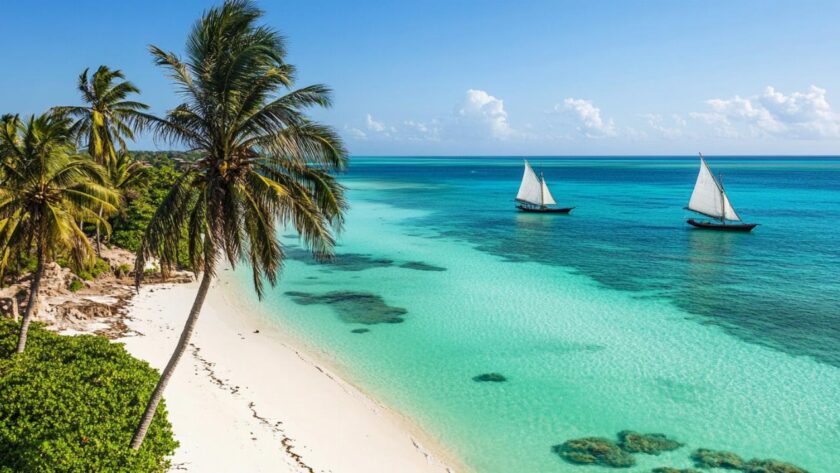
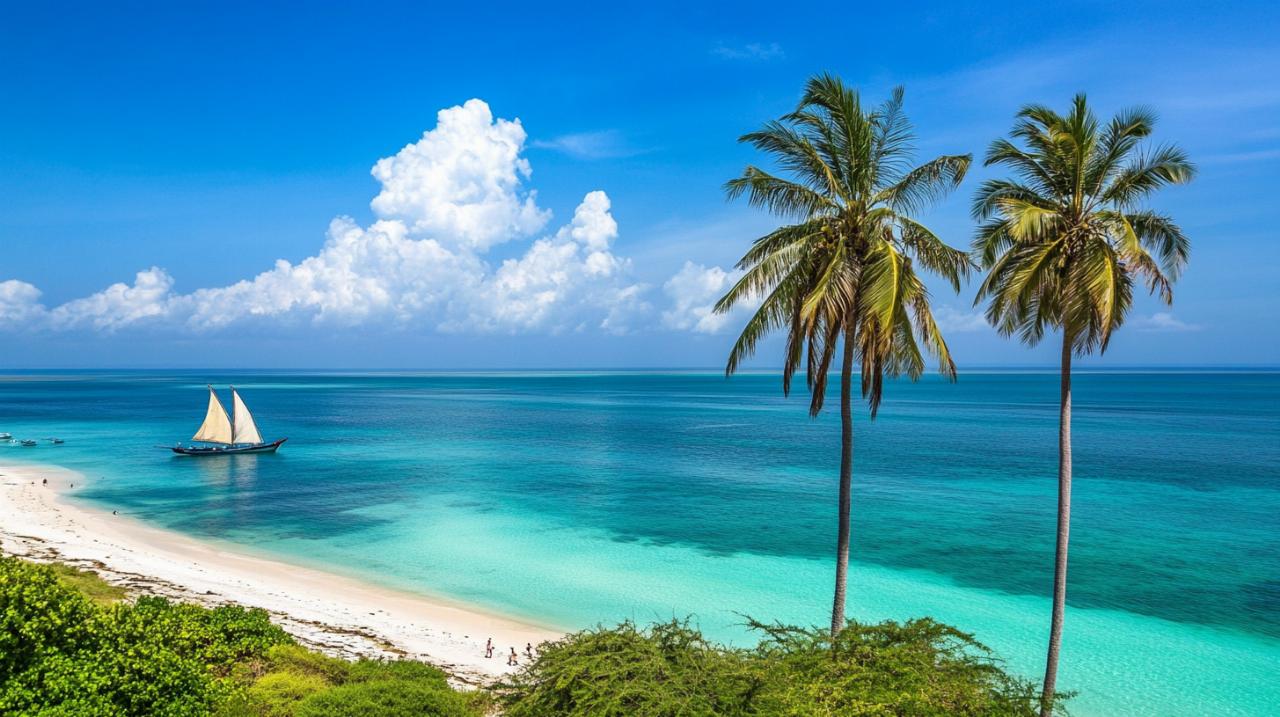
Tourist areas in Zanzibar, particularly around the beaches and established resorts, tend to be more accustomed to international visitors and may offer a relatively safe environment for LGBTQ+ travellers who exercise discretion. Many hotels and lodges cater to a global clientele and are likely to be professional and non-discriminatory in their service. However, it is wise to research your accommodation in advance, reading reviews and perhaps reaching out directly to confirm their policies and attitudes towards diverse guests.
Safari tours, which start from around one thousand two hundred and ninety pounds for three days, often utilise Land Cruisers equipped with modern amenities such as Wi-Fi and refrigerators, providing a comfortable and controlled environment. Whether you choose the Lemosho, Machame, or Rongai route for a Kilimanjaro climb, or opt for a helicopter tour around the mountain at a cost of three thousand five hundred pounds for up to four people per one-hour flight, the structured nature of these excursions means you will be largely insulated from broader societal attitudes. Nevertheless, interactions with guides, porters, and other local staff should be approached with cultural sensitivity and an awareness of the prevailing social norms.
Weighing up your travel decision: is tanzania worth the risk?
Alternative destinations in east africa
If the legal and social climate in Tanzania raises significant concerns, it is worth considering alternative destinations in East Africa that may offer a more welcoming environment for LGBTQ+ travellers. Countries such as Kenya, while also having restrictive laws, tend to have a somewhat more liberal urban atmosphere, particularly in cities like Nairobi. South Africa stands out as the most progressive nation on the continent regarding LGBTQ+ rights, with legal protections and a vibrant community, making it an attractive option for those seeking both adventure and acceptance.
Rwanda, known for its remarkable recovery and development in recent decades, has a growing tourism industry and, while conservative, does not actively target LGBTQ+ individuals. Uganda, on the other hand, has some of the harshest anti-LGBTQ+ laws in the world and should be approached with extreme caution or avoided altogether. Evaluating these alternatives allows you to balance your desire for adventure with your need for safety and comfort.
Making an informed choice about your journey
Ultimately, the decision to travel to Tanzania or Zanzibar as an LGBTQ+ individual is deeply personal and depends on your comfort level with risk, your ability to exercise discretion, and your specific travel goals. The country offers unparalleled natural beauty, from the snow-capped peak of Kilimanjaro, where temperatures can plummet to minus fifteen degrees Celsius, to the pristine beaches and rich cultural heritage of Zanzibar. Altezza Travel, established in 2013 with all rights reserved until 2026, continues to facilitate memorable experiences for travellers from around the world, and their commitment to local employment and sustainability projects reflects a responsible approach to tourism.
Before making your decision, gather as much information as possible. Consult with travel experts, read recent traveller reviews, and consider reaching out to LGBTQ+ travel communities for firsthand accounts. Booking a deposit of one hundred pounds to secure your spot on a group climb or safari can be a flexible way to explore your options while retaining the ability to reassess. Whether you choose to embark on this journey or explore alternative destinations, ensuring that your travel plans align with your values and safety requirements is paramount. Tanzania's allure is undeniable, but it must be weighed against the realities of the current legal and social landscape to make an informed and confident choice about your adventure.